
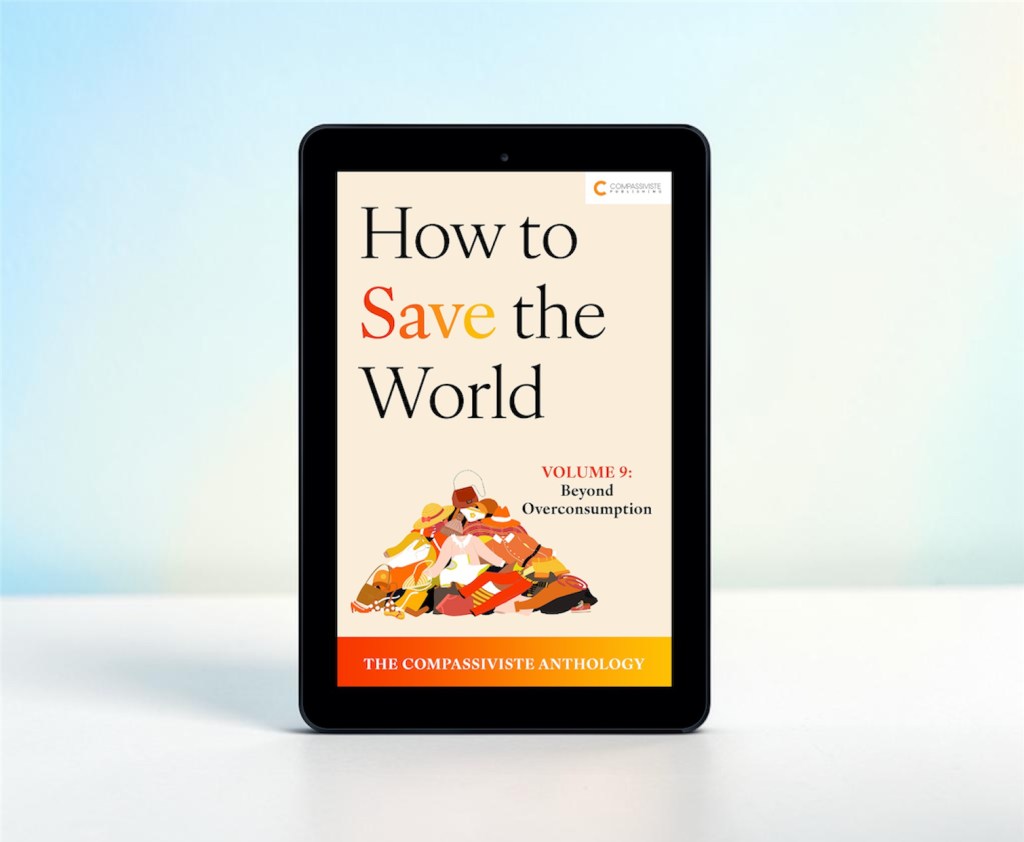
I’m proud that my poem No Way to Stay is part of Beyond Borders: How to Save the World – Compassiviste Anthology #10, now published as an ebook.
No Way To Stay

they can’t stay
there is war
they can’t live
there any more

in danger
no way
can stay

their small boat
in the sea
rocks
precariously

they land
quiet as they can
woman, child
and man

far from home
to our shore
from war
they come

will there be
a welcome


—Lesley Scoble, May 2026
This poem reflects the moment when people are forced to cross a border not by choice but by necessity. It stays close to the act of leaving—the boat, the sea, the landing—and to the uncertainty that follows.
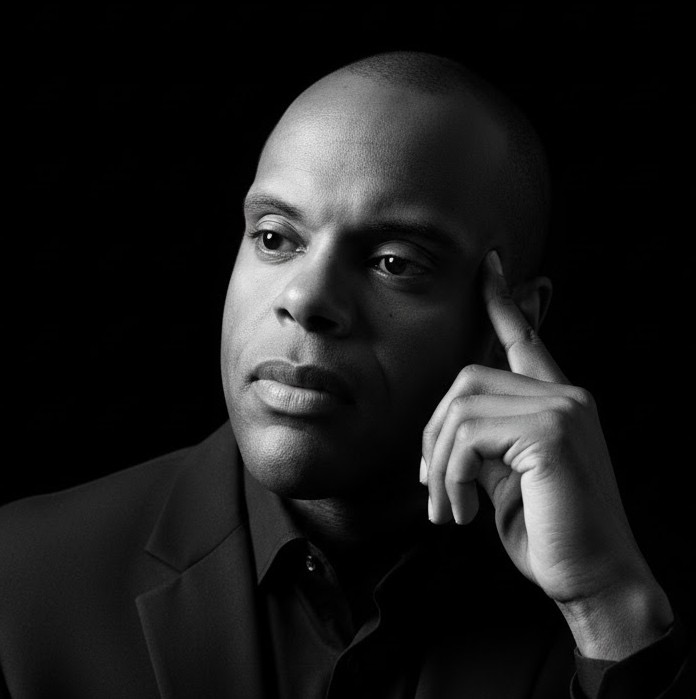
And how lucky am I that Nigel Byng—writer and man with a gorgeous voice—is narrating my poem‽ Please enjoy.
Audio — No Way To Stay — Narrated by Nigel Byng
Beyond Borders
The latest edition of How to Save the World: The Compassiviste Anthology. Volume #10 – Beyond Borders is now available at the following links:
(Due to their environmental and ethical commitments, Compassiviste Publishing only publishes digitally.)

Roots Without Soil, Hope Without Borders
Moaed Al Meselmani
In the Zaatari refugee camp in Jordan, the ground gives nothing. It is dry, cracked, and indifferent, a landscape shaped by displacement, not by harvest. And yet, inside a fenced patch of this desert, something green pushes back against the dust. This is the Desert Garden.

Here, lettuce grows not in earth but in water. Tomatoes climb above gravel. Herbs release their scent into air thick with the memory of homes left behind in Daraa, Homs. The method is hydroponics: plants fed by nutrient-rich water, their roots suspended in pipes, their leaves reaching toward a sun that doesn’t discriminate between citizen and refugee.

The Desert Garden is not just a farm. It is an act of refusal. Refusal to accept that a camp must be the end of dignity. Refusal to believe that people who have crossed borders—some on foot, some under cover of night, some clutching children and little else—should lose the right to grow food for themselves and their neighbours.

Hydroponics in a refugee camp sounds like a contradiction. Water is scarce. Land is contested. Resources are stretched. But that is exactly why it works. Hydroponics uses 90% less water than traditional farming. It doesn’t require fertile soil. It can be built from pipes, pumps, and determination. In Zaatari, where 80,000 people live in a city of caravans and concrete blocks, the Desert Garden produces fresh vegetables year-round. It provides meals. It provides work. It provides something harder to name: the feeling of tending life in a place designed for waiting.

The project needs £80,000 to continue and expand. That number sounds large until you break it down: pipes, seeds, nutrient solutions, salaries for refugee farmers, training for young people who have never seen a farm except in a photograph of what they left behind.

Thank you for purchasing this edition of How to Save the World, The Compassiviste Anthology. Compassiviste Publishing will send every penny of royalties made from this book to the Desert Garden. The Compassiviste team is covering all the costs themselves, so that every book you buy becomes a seed you plant in that soil.

This project reminds us not to see migration as a crisis but as continuity: people moving,
adapting, planting roots where no one thought roots could grow. Because if lettuce can thrive in Zaatari’s dust, then hope can thrive anywhere. And if a garden can rise in the desert, then borders—no matter how high—are never the last word.
100% of proceeds from the sale of this anthology support the Zaatari Desert Garden project, training Syrian refugees in hydroponic food production.
Acknowledgements
Thank you to Compassiviste Publishing for their vital humanitarian work supporting the Zaatari Desert Garden project, where Syrian refugees are trained in hydroponic food production.
Thank you to Nigel Byng for his beautiful narration.
And thank you, the reader, for being here.




 LesleyScoble.com
Leave a comment