
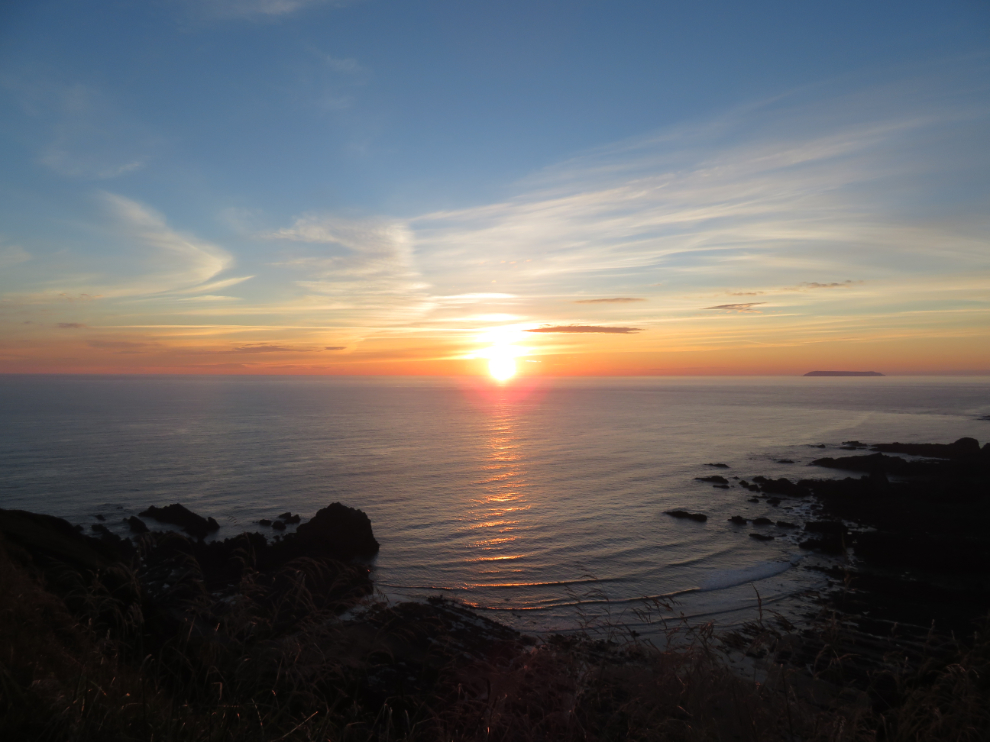
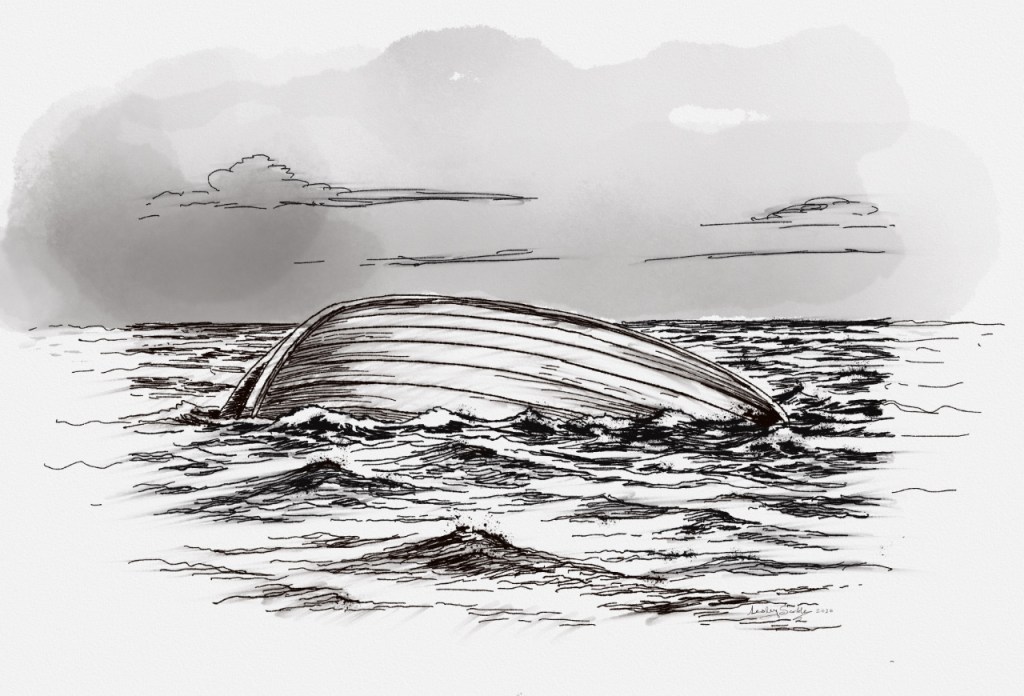
Robert Laurence Binyon wrote his most well known poem ‘For the Fallen’ while gazing out to sea from a cliff-top in Cornwall in 1914 just a few weeks after the outbreak of the First World War.
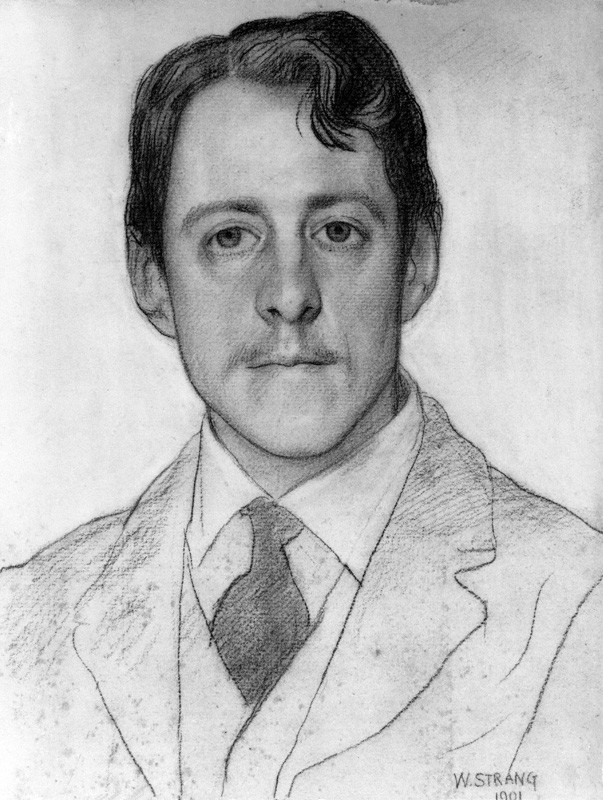
For The Fallen
They shall not grow old, as we that are left grow old:
Robert Laurence Binyon (1869-1943)
Age shall not weary them, nor the years condemn.
At the going down of the sun and in the morning
We will remember them.
The familiar four lines of the fourth verse (there are seven verses in the entire poem) were adopted by the Royal British Legion to salute and commemorate in Remembrance of the fallen men and women of the Services.
At the eleventh hour, of the eleventh day, of the eleventh month
Early on the morning of the 11th November 1918 the armistice was signed at Compiègne, France by Germany and the Allies. It marked the end of hostilities of WW1.
A personal remembrance
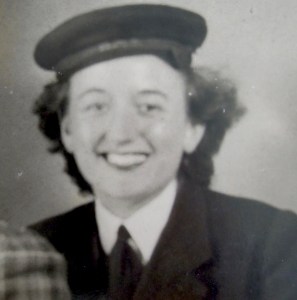
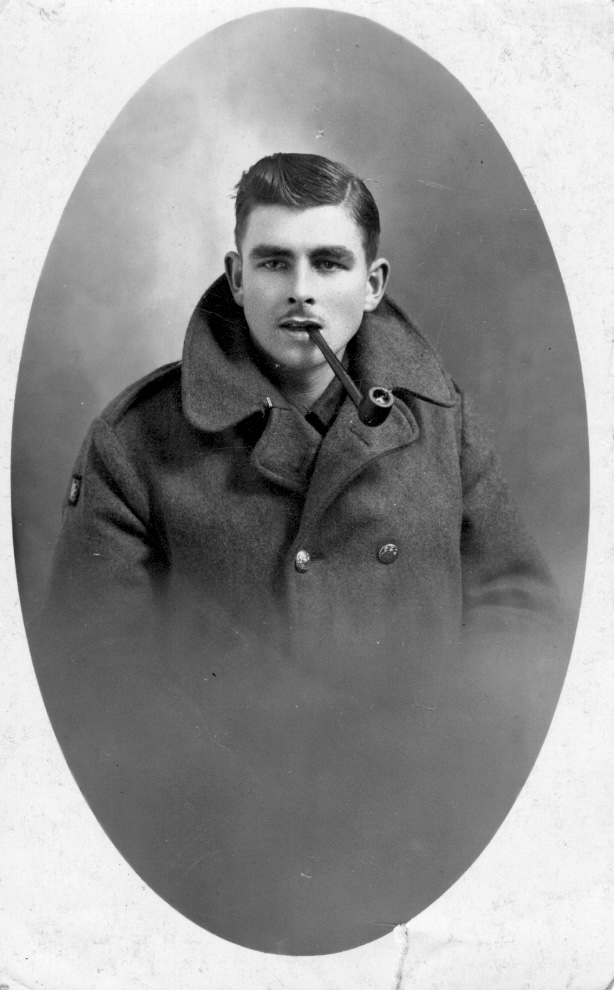
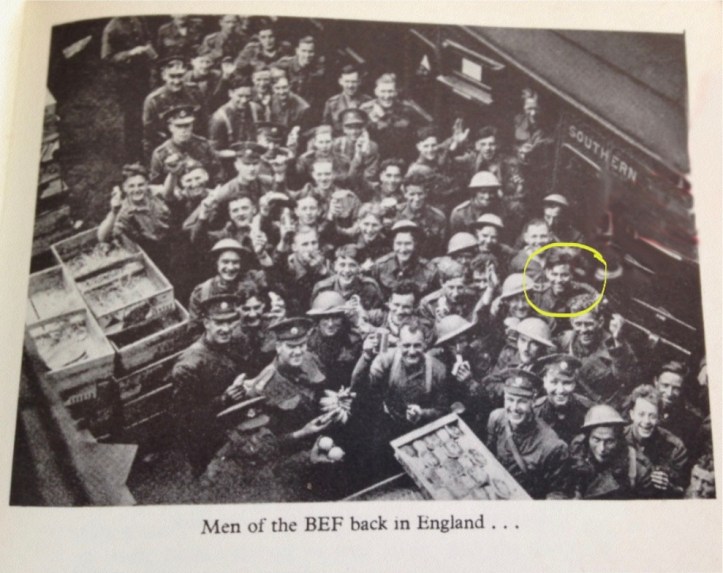
We will remember them
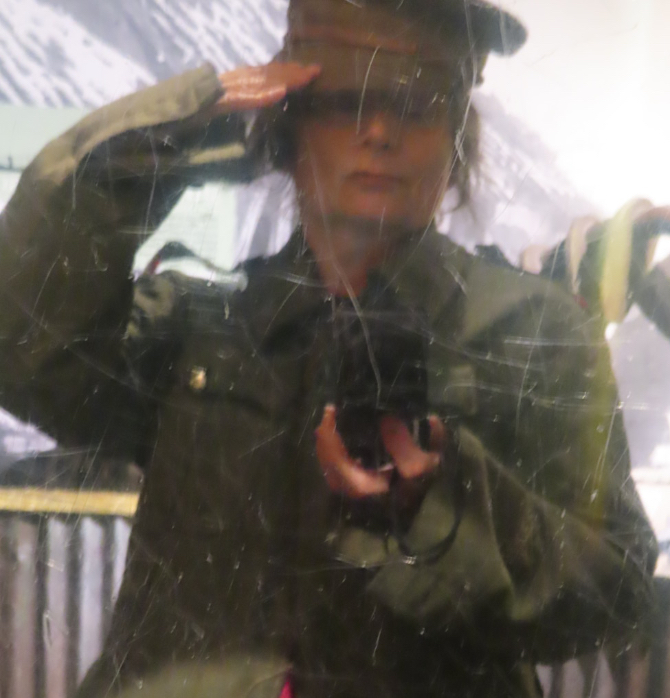
This is me at the Bovington Tank Museum trying on a soldier’s jacket. I attempt a salute in respect and gratitude for all those men and women in WW1 and WW2 who gave their lives so that future generations might live in peace and freedom.
Poppy
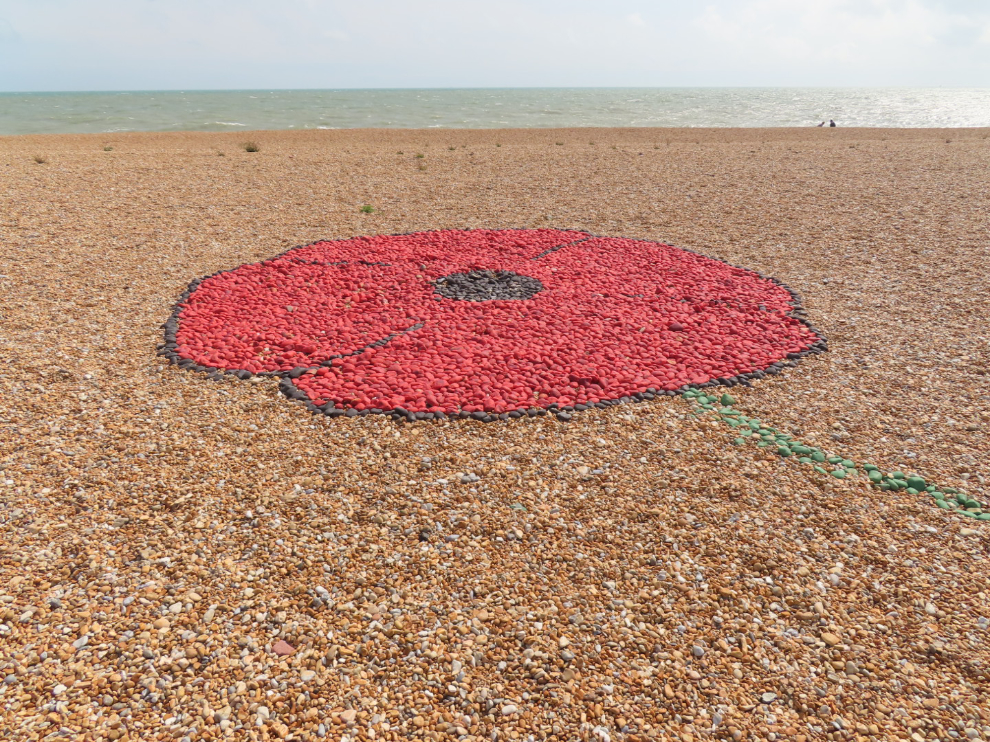
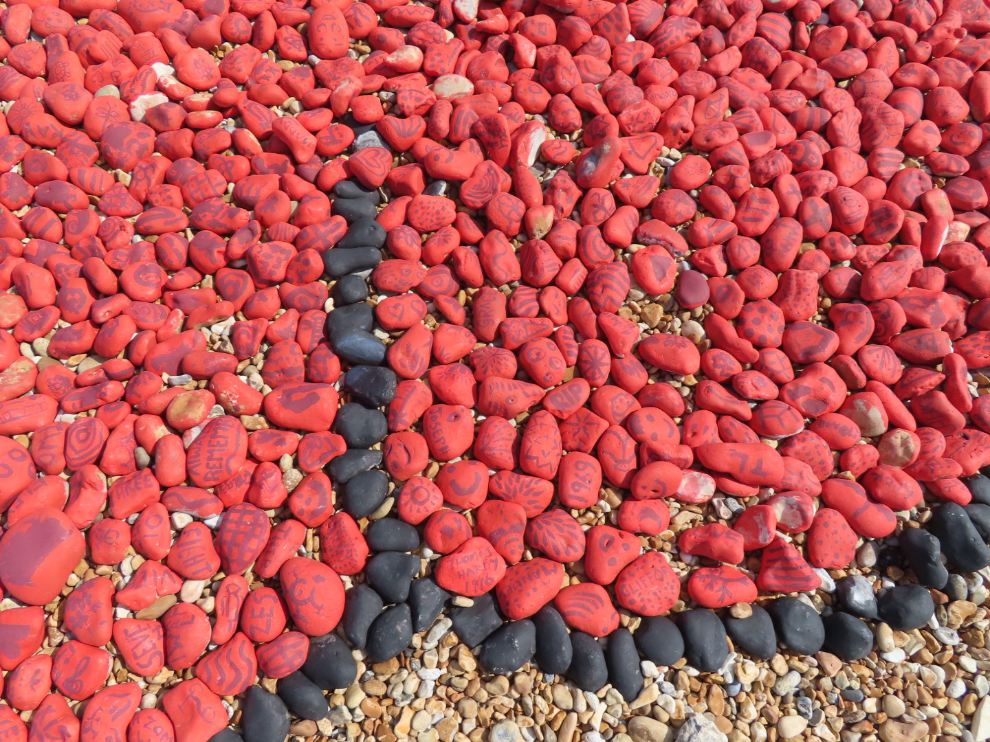
Poppy of pebbles on the beach at Folkestone, Kent.





Leave a Reply