
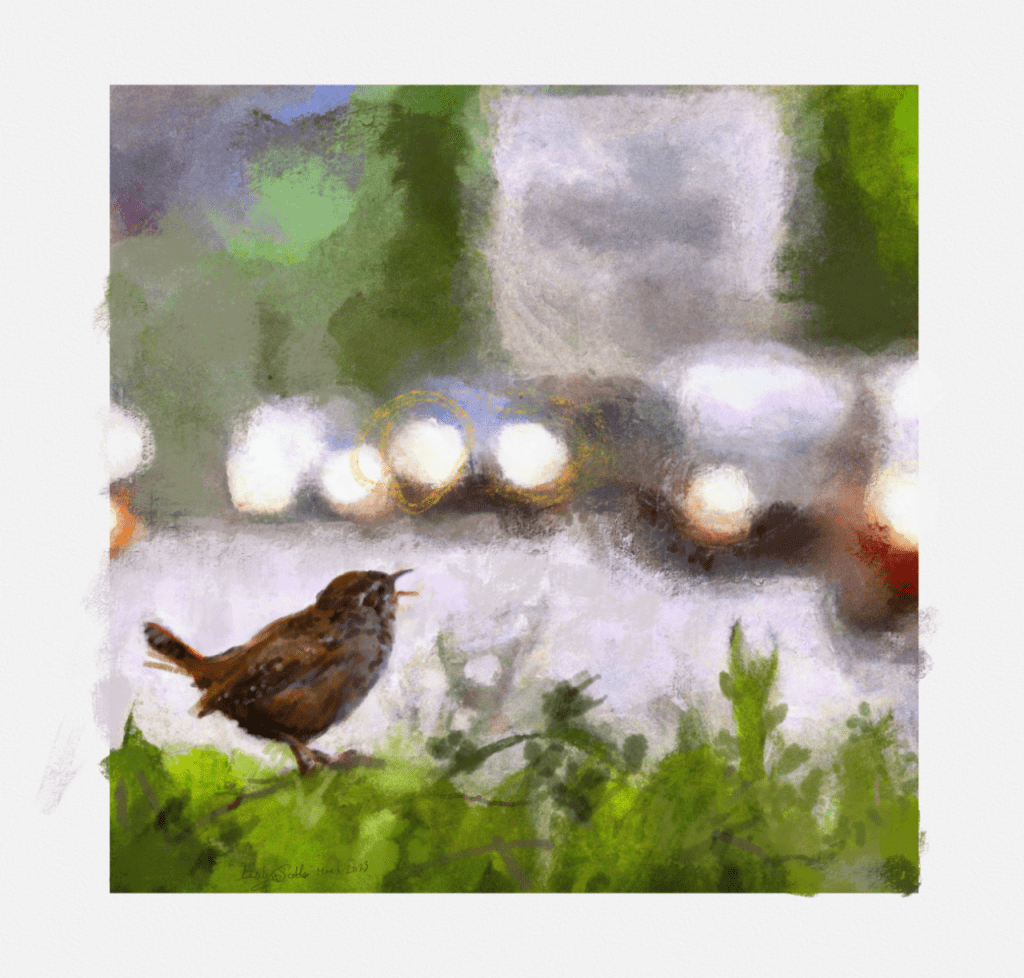
I wrote my poem HOPE IS in response to this week’s W3 Prompt #48: Wea’ve Written Weekly, where the Poet of the Week is Kerfe. Who prompts us to write a poem that begins with Hope is…
Kerfe’s prompt guidelines


•Emily Dickinson famously wrote a poem that begins with the line: ‘Hope is the thing with feathers’;
•Begin your own poem with the words ‘Hope is…’ and see where it takes you.
My hope is… that you might enjoy my attempt at this hopeful poetry challenge!
Hope is…
Hope is when in the depths of winter cold
The sun will shine again, a brilliant gold
Hope is when you hear a robin sing
The flowers in bud
The first sign of Spring

Hope is waiting for the phone to ring,
B’ring brr’ing brr’ing.
Did I get the job?
When will they call?

Hope is sitting by the bedside,
Hoping, hoping, Hoping
Against all the odds
And prayers to Gods
Don’t die

Hope is the Smile
of a stranger
passing by
When we feel all alone
And want to cry

Hope is There
for you and I
all around us
Everywhere

Hope is when
You hear a wren
Singing
in a bush
singing
Loud and near
Against the city’s traffic rush
Hope is then.


Lesley Scoble, March, 2023

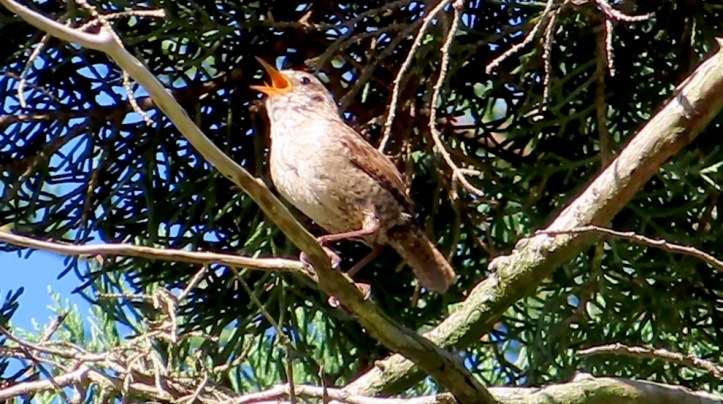
Listen to the wren. (I recorded him singing in a tree while we were on a camping trip in Devonshire). 🎶
I wonder if he sings in a local accent? I know robins do.
Emily Dickinson
Emily Dickinson wrote her poem “Hope is the thing with feathers” in 1861. The poem was first published in 1891, four years after her death. We know Dickinson for her unconventional style and use of slant rhyme, and this poem is one of her most well- known works.
What is SLANT rhyme?
In slant rhyme, the words may have similar vowel sounds but distinct consonant sounds—or vice versa similar consonant sounds but dissimilar vowel sounds.
The poetic technique is sometimes called half rhyme or near rhyme. Slant rhyme is not in perfect rhyme, where words have identical sounds at the end of their syllables, such as love and dove.
Dickinson uses the less identical words bird and heard, and the soul and at all in her poem “Hope is the things with feathers” and so help form the subtle dissidence of a slant rhyme.
Poets often use slant rhyme to create a subtle or unconventional rhyme scheme. To convey dissonance. Dickinson used slant rhyme in her work, creating a kind of tension and unresolved feeling.
“Hope” is the thing with feathers
"Hope" is the thing with feathers -
That perches in the soul -
And sings the tune without the words -
And never stops - at all -

And sweetest - in the Gale - is heard -
And sore must be the storm -
That could abash the little Bird
That kept so many warm -

I've heard it in the chillest land -
And on the strangest Sea -
Yet - never - in Extremity,
It asked a crumb - of me.

Emily Dickinson, 1861
Acknowledgement
My thanks to David, W3 Prompt #48: Wea’ve Written Weekly, and to the Poet of the Week Kerfe for their motivation, inspiration and friendly encouragement to write some poetry. Hope is… a poem.

Photo Credit
Little wren singing in a tree | Photo ©️Lesley Scoble





 LesleyScoble.com
Leave a reply to Sadje Cancel reply