

I wrote my poem Object on the Wall inspired by the Melissa’s Fandango Flash Fiction Photo Prompt #333. The image is from Nellie Adamyan on Unsplash.

Object on the Wall
by Lesley Scoble
In Britain, before smartphones, red phone boxes echoed with the clink of coins and murmured goodbyes. From A & B payphones to the STD direct-dial revolution, voices travelled through copper wires—until their present-day phase-out. STD pip signals have now been replaced by silent texts and digital pings.
In my poem (and the lighthearted song beneath it), a young observer wonders what the unusual ‘object on the wall’ might be.

The object on the wall
was a mysterious thing.
I was wondering what it was…
when it started to ring.

“It can’t be a telephone, can it—
from long times past?”
I’d heard tell,
old phones
before the mobile
(or cell),
once hung on a wall,
and you’d make a phone call
inside a booth.
“Haha! I think that’s funny—
to tell you the truth.”

You’d drop coins in a slot—
like an arcade game
in olden times—
and needed a lot of pennies
(or dimes).

Your call lasted until
you heard the sound of the pips:
pip, pip, pip, pip,
pip…
you’d fumble for more coins
in your trouser pockets—
side pocket,
back pocket…
and hip…
pocket,
then you would curse—
none in your purse…
and then you’d be cut off…

“Drat!”

In the middle of a chat,
left hanging there—
in mid sentence,
in mid air…

The old phone was still ringing
(I didn’t think these things still worked).
I picked up the receiver
and put it to my ear…

I heard singing…
“Who’s there,” I asked
I couldn’t believe the voice that I heard—
It was a beautiful tone…
“You’ve been calling for how long on the phone‽
Well, that’s absurd!”

The voice at the other end
went on to explain…
There’d been a bit of a blip—
they’d been calling for years,
and…

Then I heard:
pip, pip, pip, pip, pip,
pip, pip…


—Lesley Scoble, August 2025
Music Audio
An unusual object is noticed on the wall… then it starts to ring.
Hope you enjoy this fun spin on the poem—it was a joy to create!
A little bit of history
Long before smartphones and silent texts, Britain’s streets were dotted with red phone boxes—miniature chambers of urgency, confession, and connection. From 1925 to the late 1970s, the A & B public pay phone was the standard: a mechanical ritual where callers dropped old pennies, pressed Button A to speak, or Button B to reclaim their coins if the line failed.
In 1959, a quiet revolution began. The STD (Subscriber Trunk Dialling) coin pay phone allowed direct dialling without operator assistance, ushering in a new era of automation.
The STD payphone is the one I recall in my poem—the model that emitted those exasperating pips to signal your money was running out. If you didn’t feed more coins before the pips stopped, the line would go dead, and your call would abruptly end.
By 1971, the system had adapted to decimal currency, and by 1976, the last manual telephone exchange had closed. The A & B phones faded into memory, leaving behind their ghostly echoes in glass and steel.
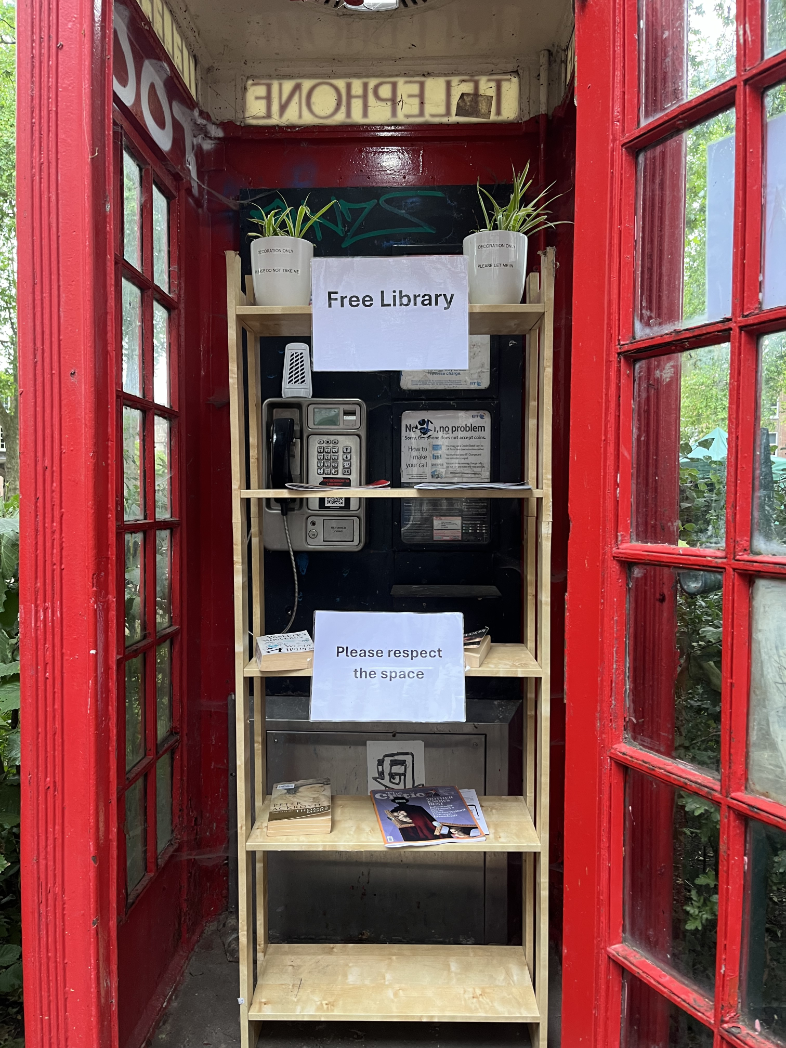
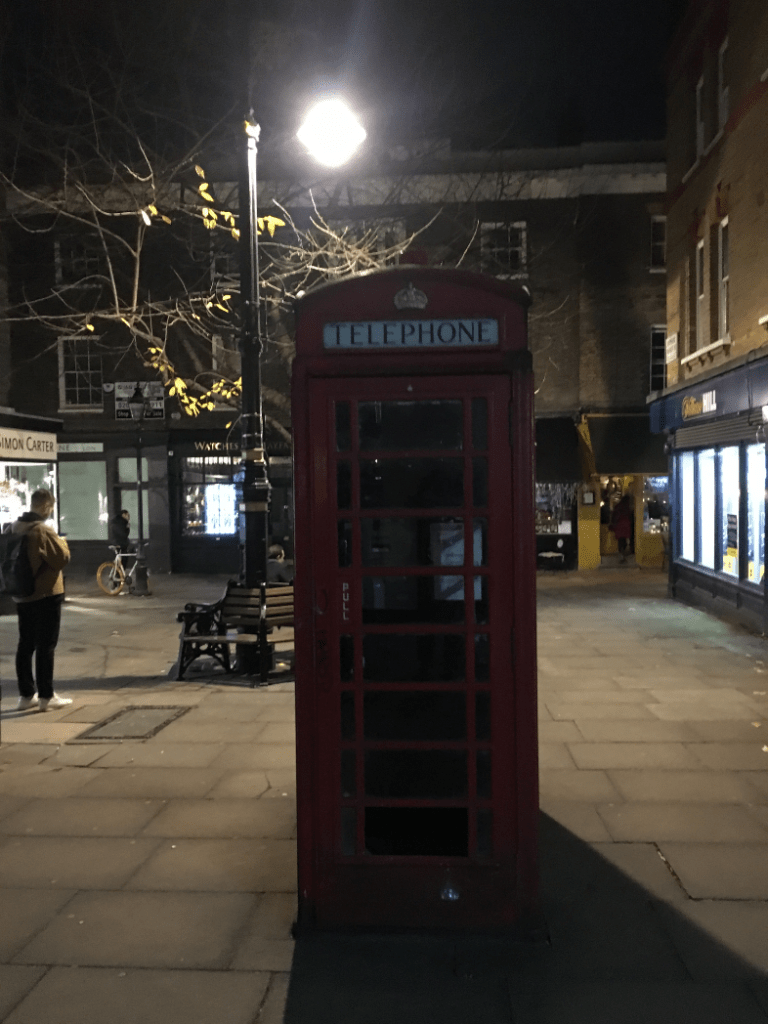
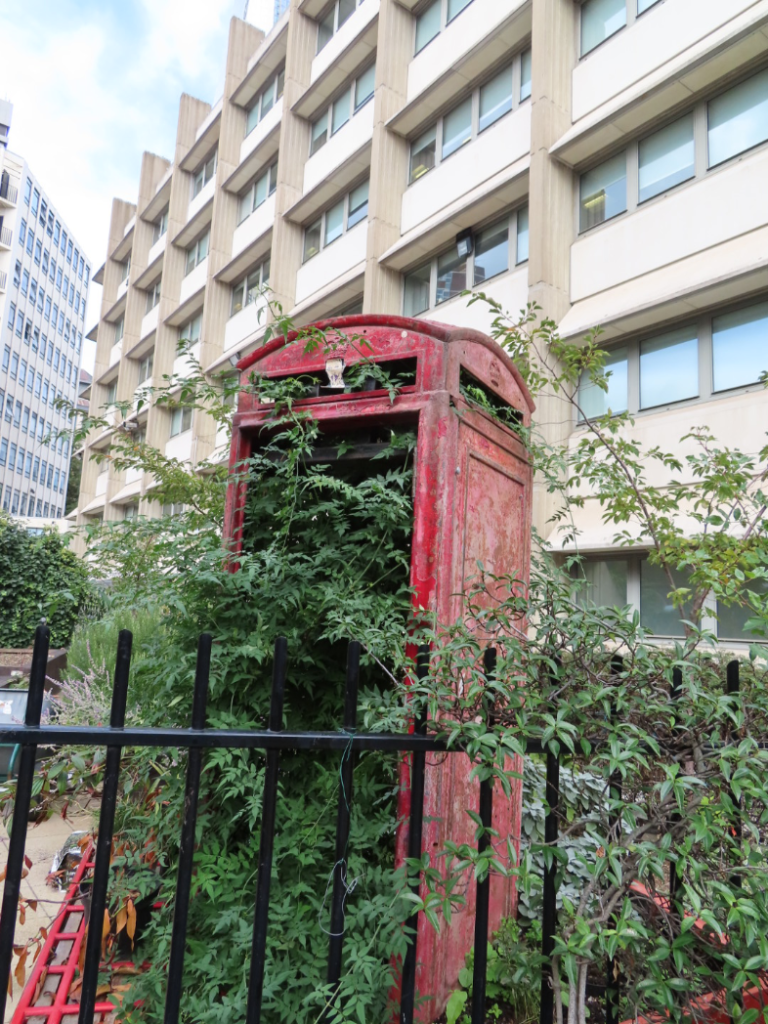
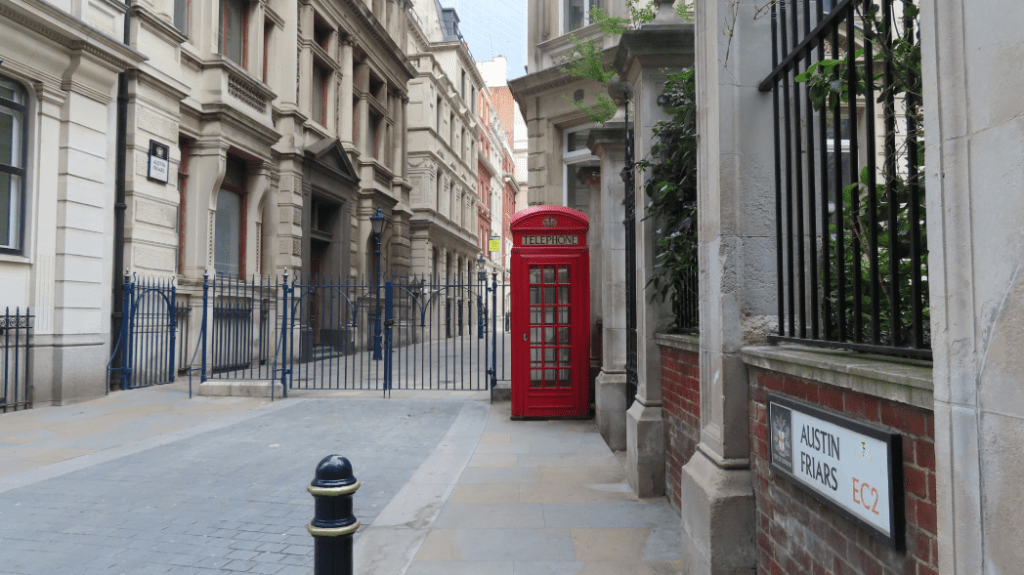
Redundant Telephone Booths
Some of my iPhone snapshots showing how our local phone booths have been repurposed.





THANK YOU
Thank you, Melissa Lemay, for your inspiring photo prompt.
And heartfelt thanks to you, the reader, for taking the time to read and/or listen to my poem.
To learn more about Melissa’s Fandango Flash Fiction Challenge, follow the link below.



 LesleyScoble.com
Leave a reply to lesleyscoble Cancel reply