
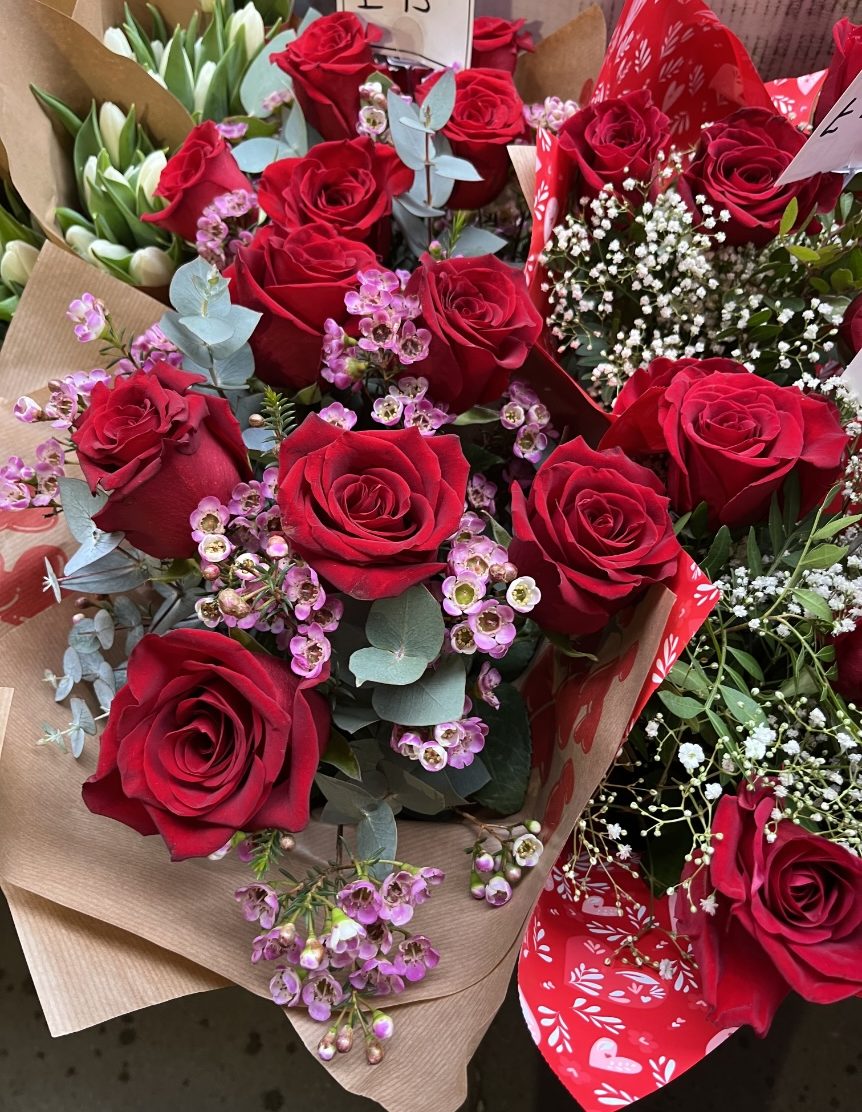
Will You Be My Valentine?
Here’s a little poem—and a song from me to you—to enjoy on Valentine’s Day.
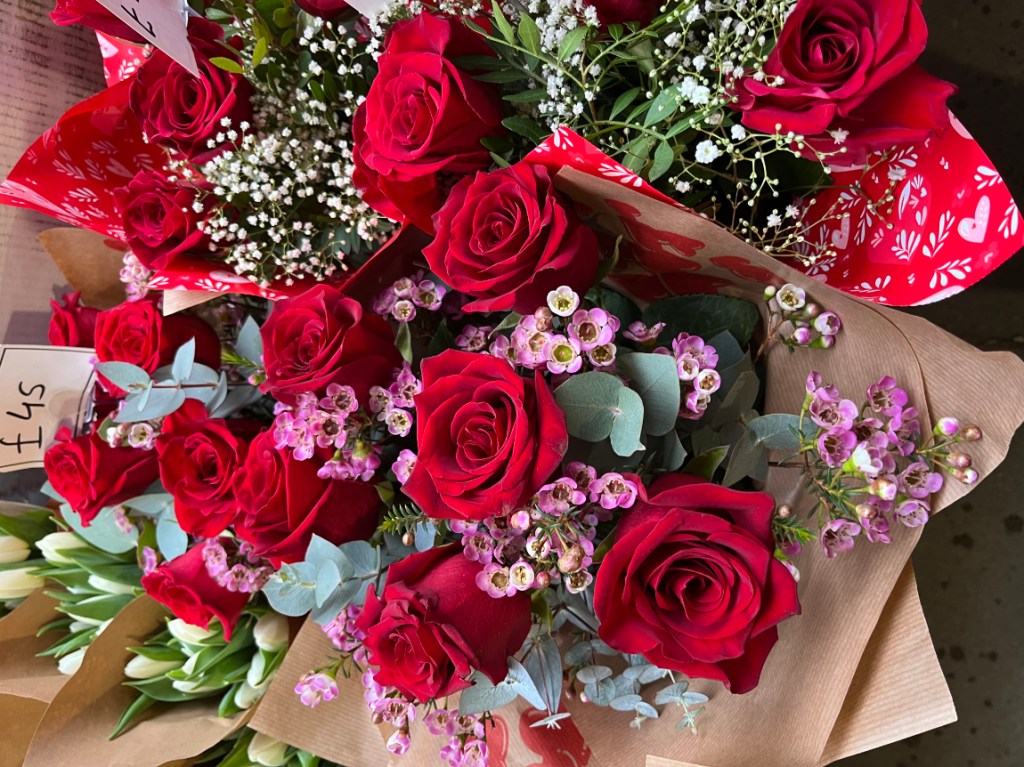
Will you be my Valentine?
Will you please be mine?
I’ve searched for many years
To find a love so fine.
To love you all my life
And never be apart,
To spend my nights and days with you
And give you all my heart.
To share a dance with you
To sip a glass of wine—

Our eyes meet in a crowded bar.
“Ah—there you are!
At last,” I sigh.
“Will you be my Valentine?”
“Not a chance!” is his reply.


—Lesley Scoble, February 14th, Valentine’s Day
Audio – Will You Be My Valentine? 🎶
A little bit of history
The Origins of Valentine’s Day: From Pagan Rites to Romantic Rituals
I’ve known about Valentine’s Day since my early school years, when I would sulk for days if I didn’t receive at least half a dozen Valentines. Yet beneath the modern rituals and sentimentality lies a far older and more complex history. Why is the 14th of February called Valentine’s Day? Who was Valentine? And how did this date become synonymous with love, longing, and the curious honour of having an entire day named after him?
Lupercalia
Ancient Rome was rather partial to pagan rites and festivals. One such festival, dating back as far as six centuries before Christ, was called Lupercalia. It involved the slaughter of dogs and goats, and naked men running around slapping women with their bloodied hides. (Wow! I was born in the wrong era.) Women would be struck with a goat skin by naked Roman priests, in the belief that it ensured fertility and an easy birth. Another practice (or game?) involved filling a jar with random names to be drawn to pair up couples—some of whom might even form lifelong romantic bonds.
The Lupercalia rite continued into the late 5th century. The Luperci (priests) carried on running amok, naked and slapping women with bloodied hides—even under the powerful influence of the Church of Rome. Pope Hilarius (a wonderfully funny name) tried unsuccessfully to persuade Emperor Anthemius to abolish the ritual. It carried on until, thirty years later, Pope Gelasius had the idea to turn the day into a Christian feast (circa 497 A.D.).
Saint Valentine’s Feast Day
Christianity often absorbed pagan festivals by merging them into its own calendar. The Romans held Lupercalia on the 15th of February, a date conveniently repurposed as a feast day for Saint Valentine—one among several martyrs of that name. According to later legend, Saint Valentine met his demise on the 14th of February, 289 A.D., executed for secretly marrying Christian couples and aiding persecuted believers. One story claims he restored the sight of his gaoler’s daughter and, moments before his execution, handed her a note signed “Your Valentine”—a detail that has proved irresistibly romantic.
Geoffrey Chaucer and The Parliament of Fowls
Geoffrey Chaucer’s celebration of romance in his poem about St Valentine’s Day is likely the reason we still associate the date with love. Written circa 1370, The Parliament of Fowls popularised poetic romantic ideals and set a trend that secured Valentine’s Day’s place as a celebration for lovers.
“Seynt Valentynes day — when every foul cometh ther to chese his make.”
—Geoffrey Chaucer, circa 1370
Thank you for stopping by and spending a moment with my poem, musings and song. I hope the rest of your day brings a little love, a little joy, and something that makes you smile.






 LesleyScoble.com
Leave a reply to Sadje Cancel reply