
Did You Do That?
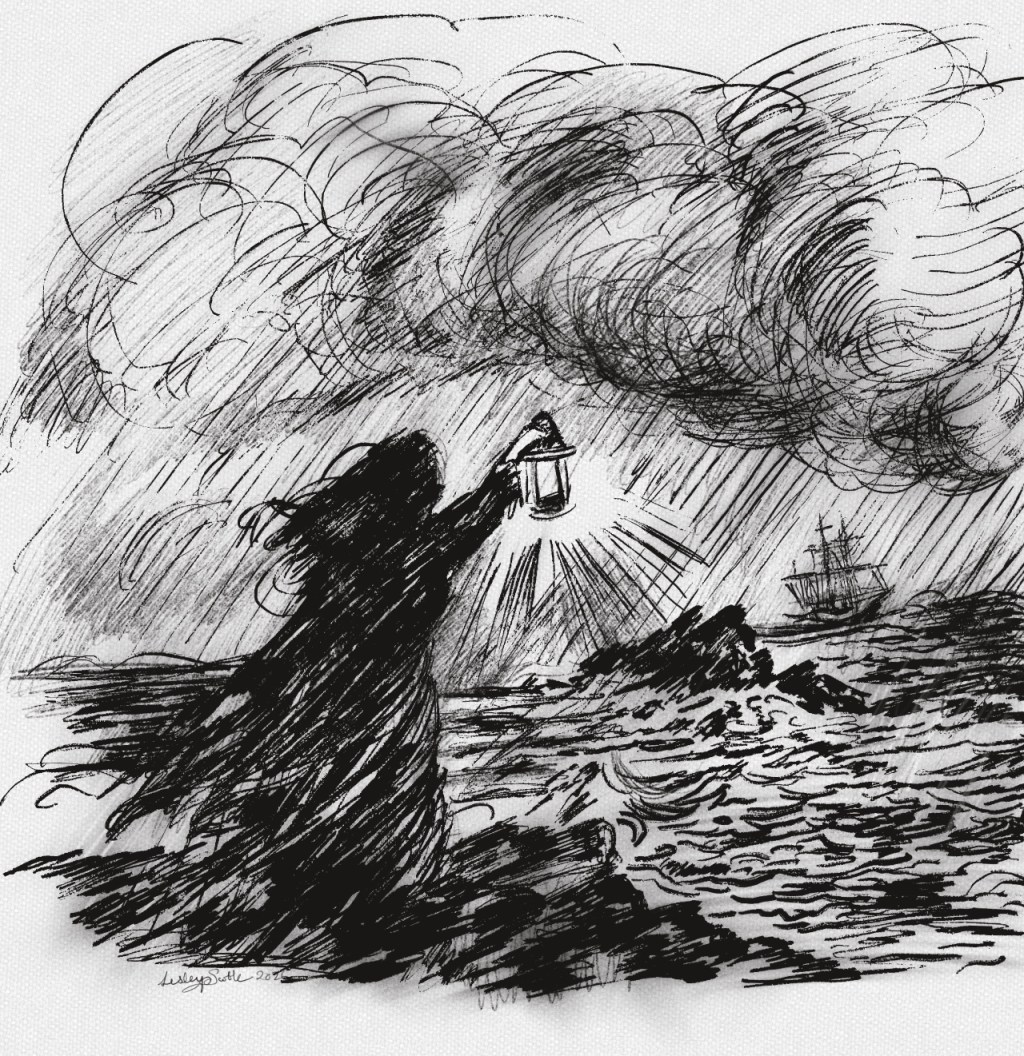
Once upon a time, I was often asked, “Did you do that‽”—usually in awe, by friends and relatives, at my ability to create art from a young age.
Nowadays, especially as I enjoy working with digital art, I’m more likely to be asked, “Did AI do that?”
This upsets me more than I can say. It questions my talent, my personal artistic integrity, and the pride I take in my own work.
I was even more distressed when someone said to me the other day—while we were discussing my use of AI-generated song and music—“How can we trust that your poems aren’t AI-generated?”
I’m still shaken by that remark, and by the growing suspicion that anything creative might be ‘AI-generated’—as though originality itself is now suspect.
Was It AI?
Today, there are several ‘AI Image Checker’ sites where you can upload an image. WasitAi uses a scale from green through yellow and orange to red, that will instantly tell you: “We’re quite confident that NO AI was used when producing this image.”
All well and good, you may think.
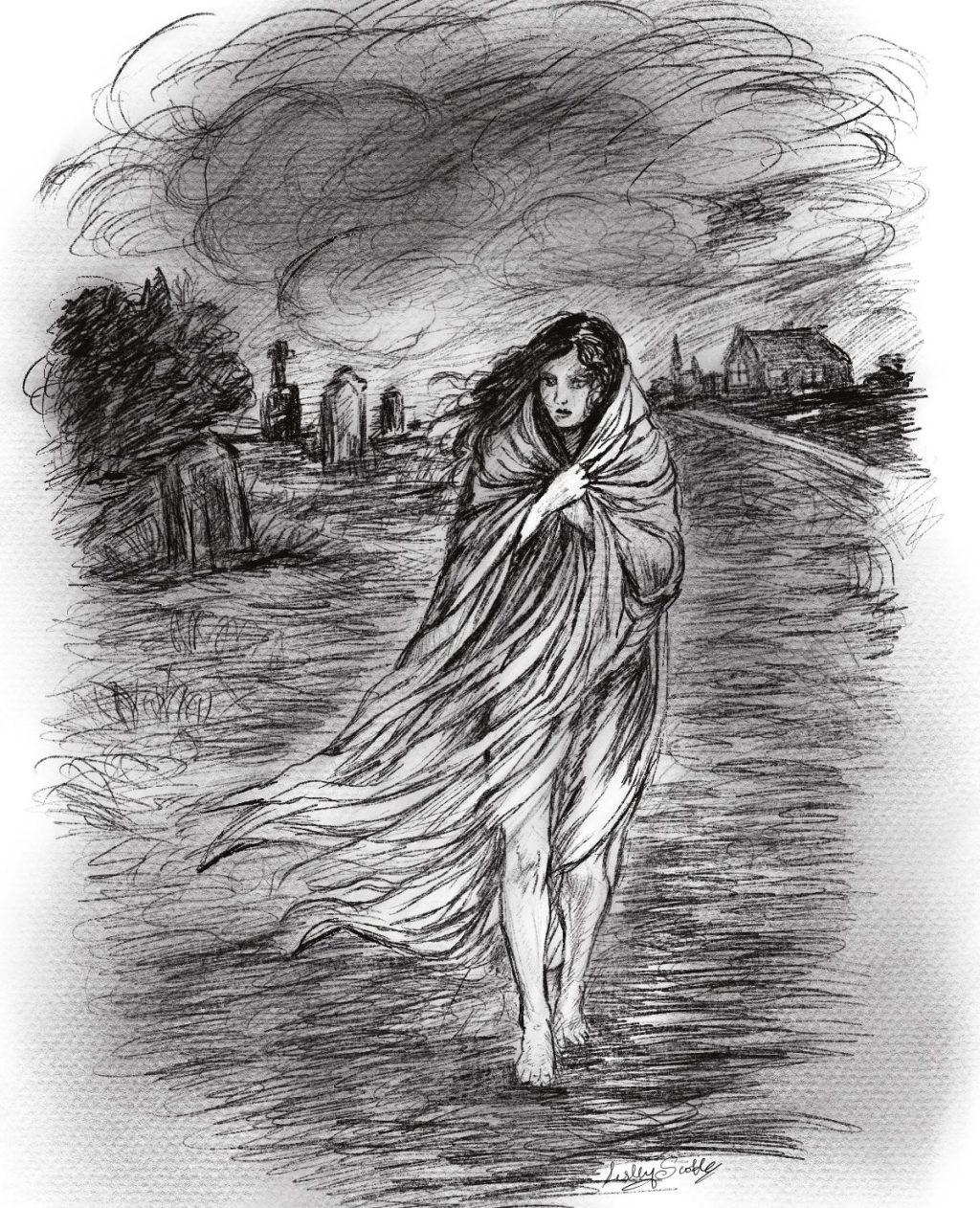
For example, here’s an illustration I created recently of a judge for one of my poems. I drew it myself—digital ink and watercolour—on my iPad, using an Apple Pencil in Procreate Art.

Fair enough—as you can see from my insert, it passed the test. But the system is fallible.
What happens when it tells you that an image created by an artist was made by AI?
Here’s what it said about my self-portrait, painted in the style of Andy Warhol.
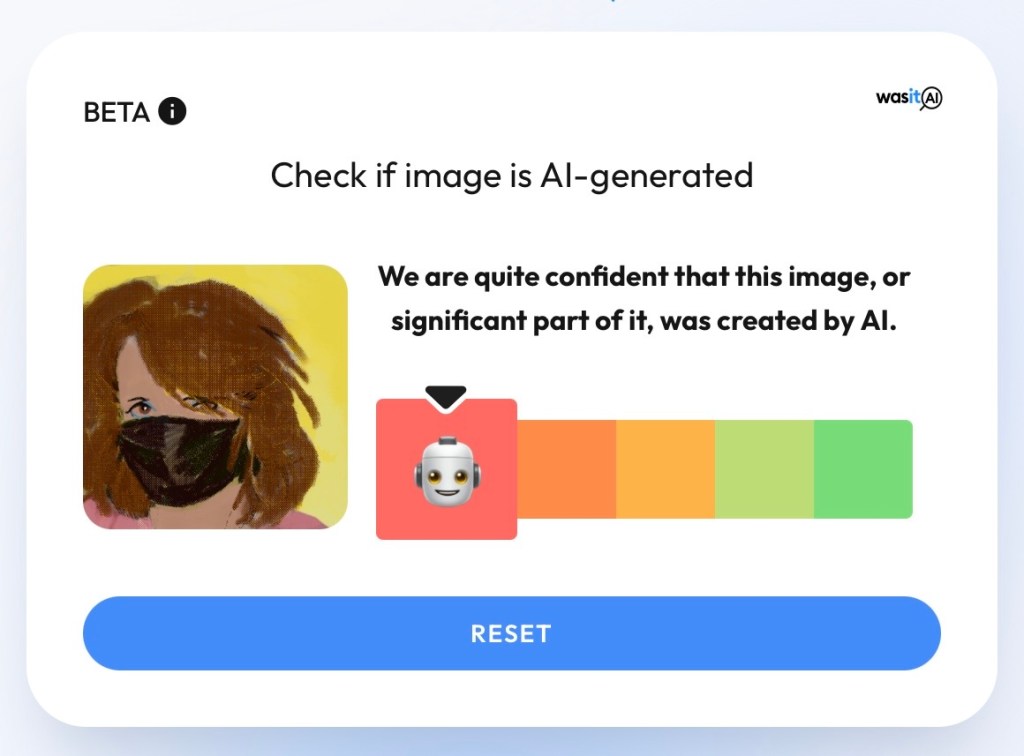
“We are quite confident that this image, or a significant part of it, was created by AI.”
For an AI checker to declare that an artist’s original work was created by AI is not just misleading—it can be deeply damaging.
Such a claim may have serious repercussions on the artist’s professional reputation and ethical standing.

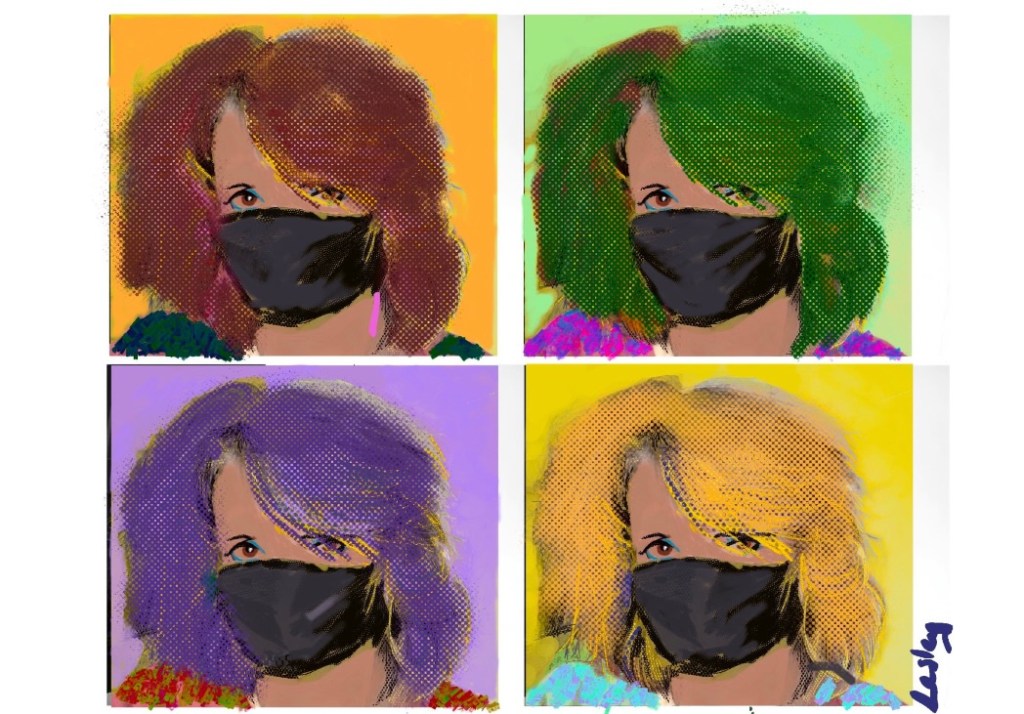
I created this image in the ArtRage and Procreate painting apps—in 2020.
Had you heard of AI image generators in 2020? I certainly hadn’t.
The technique I used was simple: I painted several versions directly on top of a black-and-white photo of myself.
I painted a four x self portrait version which was published on my blog way back in November 2020 in my post The Invisible Woman Visits Andy Warhol at the Tate
Disclosing Resource Material
More and more publishers are scrutinising artists’ work to determine whether it’s original or generated by AI. In response to the fallible judgments of online AI checkers, will artists be expected to disclose how they compose their artworks? Will we need to provide manifestos detailing our creative process?
For instance:
I sketched the tree at the end of my road to use as the fairy tree in my latest storybook illustration.
I asked Copilot to help me invent a purple dragon character.
I used the Poser app (instead of the old wooden mannequin) to position my characters’ poses.
I took dozens of photos of costumes at the V&A Museum for my historical novel.
I spent a day at the British Library studying resource material.
And to piece together a fantasy castle, I spent a week touring and photographing castles in Wales (I did do this, actually).
NEW TECHNOLOGICAL ERA
In this new technological era, the inexorable rise of artificial intelligence is reshaping how we create, share, and imagine. These tools are extraordinary—and undeniably here to stay. But as their power grows, so too must our commitment to ethics, courtesy, and respect for the human spirit.
Sadly, the old-fashioned virtues of asking permission, honouring artistic labour, and protecting personal identity are too often cast aside. When an actor’s likeness is replicated without consent, or an artist’s work is manipulated into a video without credit or approval, something sacred is lost. These are not just pixels or data—they are expressions of self, of soul.
If we are to navigate this new terrain with integrity, we must hold fast to the values that make us human. Let us champion a culture of consent—where creators are asked before their work is borrowed, and individuals are honoured before their image is used. Progress need not come at the cost of respect.
Let this be a call to conscience—for artists, technologists, and audiences alike. Let us build a future where innovation walks hand in hand with integrity, and where every borrowed face or brushstroke begins with the simple question: “May I?”
Please don’t ask me if AI painted that. If AI has anything to do with my work, I always give it credit.


 LesleyScoble.com
Leave a reply to crazy4yarn2 Cancel reply