
Autumn
A series of three Pi-Ku poems
leaves rustling
as
I walk through gold
—Lesley Scoble, September 2026
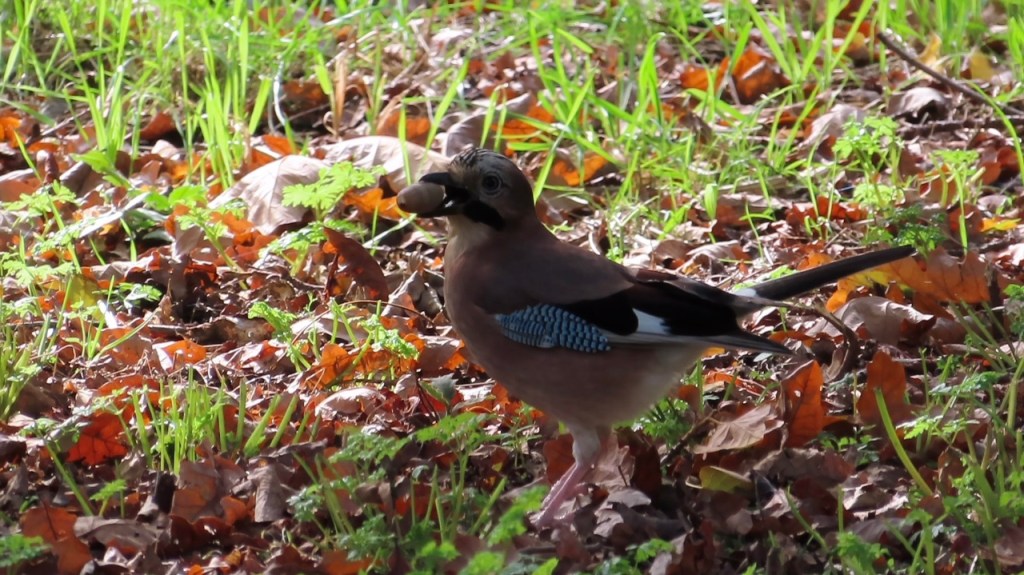
Jays caching
nuts
in secret mulch
—Lesley Scoble, September 2026
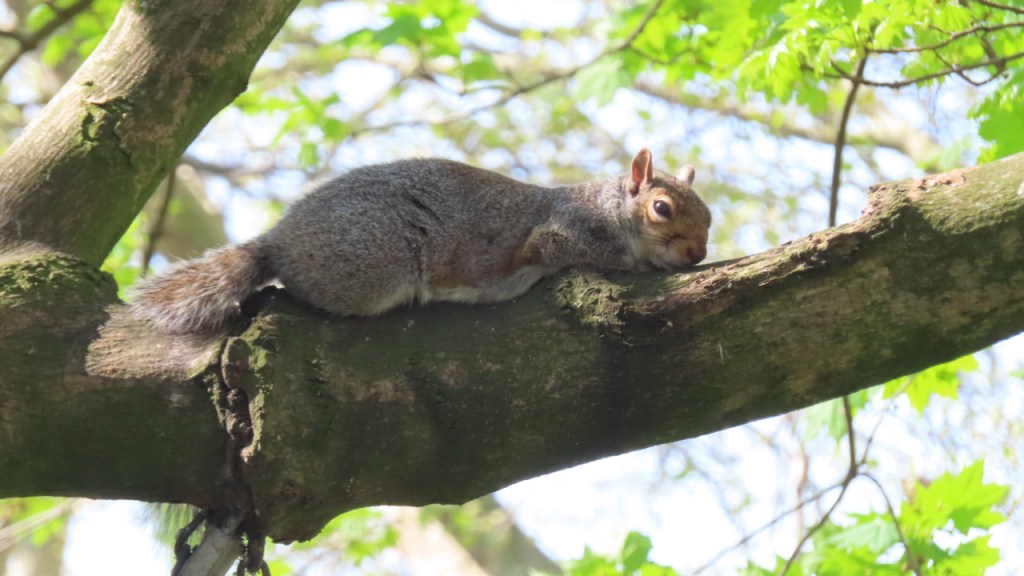
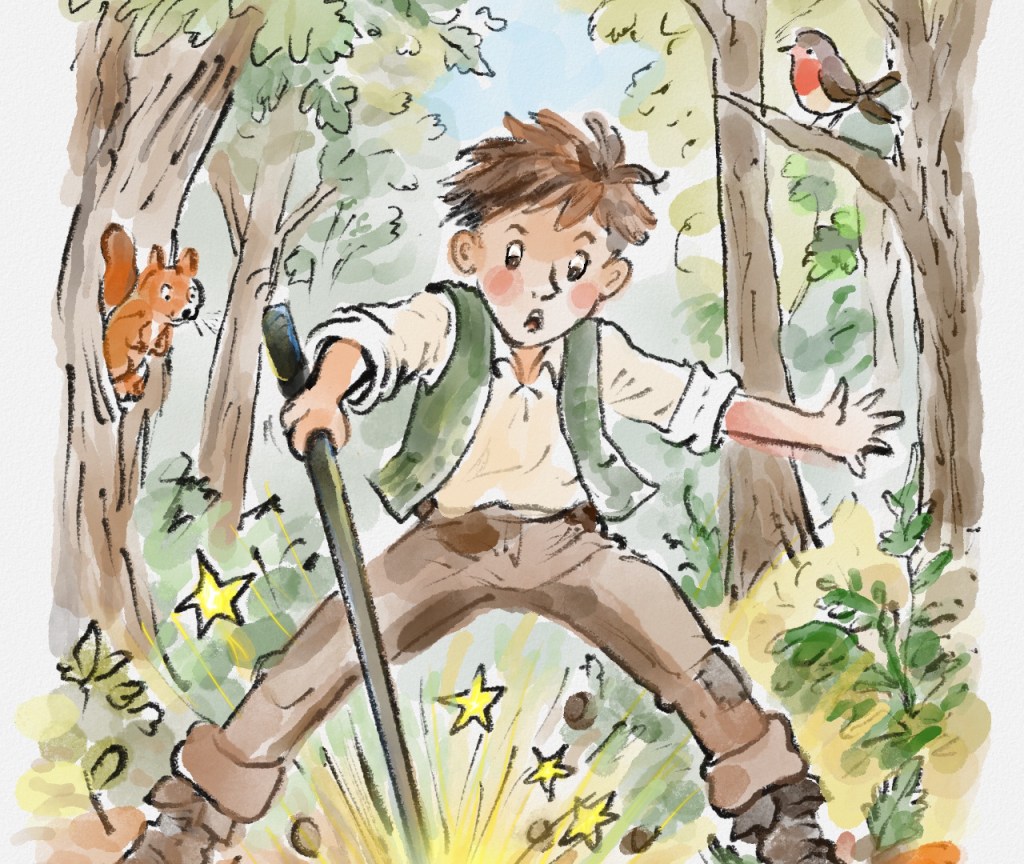
The squirrel
waits
in chestnut trees
—Lesley Scoble, September 2026
NOTES
I love walking in the woods in autumn, listening to my footsteps crunch on the fallen leaves, which was the inspiration for my first Pi-Ku. My second inspiration comes from one of my favourite birds, the jay. During a walk in Regent’s Park, London, we stumbled across a jay busily burying nuts. I watched, fascinated, as I had never known they did that. My third inspiration is, of course, a favourite woodland animal of mine: the squirrel.
Tanka Tuesday
Before reading Melissa’s prompt for Colleen Chesebro’s Tanka Tuesday Challenge No. 81, I had never heard of the Pi-Ku poetry form. I’d heard of Pikachu, of course. The Haiku type Pi-Ku form appeals to me because it’s very short — and I do love short poems.
Pi-Ku
The Pi-Ku is a modern poetry form inspired by the first three digits of π (3.14). A variation of the haiku, it uses a three-line syllabic pattern of 3-1-4. While the exact origin of the form is uncertain (whoever first created it is a real Pi in the sky), it has become popular through Pi Day celebrations and contemporary poetry communities.
Click on Details below to read about the poetry form.
Details: The Pi-Ku Poetry Form
The Pi-Ku is a tiny three-line poetry form derived from the first three digits of π=3.14. Whoever first wrote using this form is a mystery.❔ It goes something like this:
Line 1: 3 syllables
Line 2: 1 syllable
Line 3: 4 syllables
Enjoy the following examples by Melissa Lemay:
colors change
leaves
begin to fall
two black cats
walk
across the street
skipping stones
thud!
pi-ku poem
My thanks to Melissa Lemay, Mom With a Blog, for introducing me to this form and for her inspiration.
And my thanks to you, dear reader, for popping by for a read.





Leave a Reply